
Neurodiversity-Affirming Practice
Families are increasingly hearing the term neurodiversity-affirming practice. While it has become more visible on social media, it is far more than a buzzword.
Neurodiversity-affirming practice is a values-based approach to supporting children that honours who they are, how they communicate, and how they experience the world. Rather than focusing on changing children to fit a particular mould, this approach centres on understanding, acceptance, and meaningful support.
Neurodiversity-affirming therapy is grounded in the belief that all brains are different, and that all brains are equally valid, important, and worthy of respect.
Let’s get back to basics: what is a neurotype?
Neurotype
Refers to the type of brain a person has and the way their brain processes information, communicates, learns, and experiences the world.
Neurotypical
Describes the most common neurotype, a brain that develops and processes information in ways society is generally designed for.
Neurodivergent
Describes brains that process information differently. This can include differences in attention, sensory processing, communication, and learning.
All brains are equally important
Different does not mean better or worse, it simply means different. Our world needs all kinds of brains, and understanding how different brains work helps us support children to feel safe, valued, and happy.
Children with neurodivergent brains may have (but are not limited to) autism, ADHD, language differences, sensory processing differences, dyslexia, or other learning and communication profiles. These differences are not deficits to be fixed, but natural variations in how humans think, learn, and communicate.
Rather than asking, “How do we change this child?”, neurodiversity-affirming therapy asks,
“What does this child need to communicate, participate, and feel safe?”
This approach aligns with current best practice in speech pathology and allied health across Australia.
What neurodiversity-affirming therapy looks like
Strength-based language and focus
Communication and goals are framed around strengths, competence, and meaningful progress rather than compliance or deficits.
Supporting neurodivergent identity
Therapy supports children to understand, value, and feel confident in their own way of thinking, communicating, and experiencing the world.
Functional, meaningful goals
Goals focus on everyday communication and participation, such as expressing needs, choices, and boundaries, asking for help or a break, accessing sensory supports, and engaging in play, learning, and relationships in ways that work for the child.
Supporting regulation, not enforcing compliance
Therapists prioritise emotional and sensory regulation by allowing movement and stimming, offering breaks without punishment, adapting the environment, and following the child’s cues, with the goal of connection and participation, not compliance.
Rethinking “social skills” therapy
Rather than teaching children to mask or imitate neurotypical behaviours, such as eye contact or scripted conversation, neurodiversity-affirming therapy supports understanding others’ emotions and communication so children can choose how they want to respond authentically.
Celebrating special interests
Rather than steering children away from their interests, neurodiversity-affirming therapy embraces and builds on these passions to support engagement, communication, connection, and a child’s sense of identity.
Child-led and family-oriented therapy
Therapy is guided by the child’s interests, strengths, and communication style, while actively involving families as partners to ensure strategies are meaningful, supportive, and transferable to everyday life.
Being neurodiversity-affirming means recognising that children do not need to be changed to be worthy of support.
Speech therapy should help children to:
Understand themselves
Communicate in ways that feel safe and effective
Participate in their world as their authentic selves
Feel safe and supported
All brains are equal, valid, and important. Therapy should support understanding and safety, not fixing. When therapy embraces difference rather than trying to erase it, children are supported not just to communicate, but to thrive.
When seeking therapy for your child, it is important to look for practices and clinicians who reflect these neurodiversity-affirming values. The approach a therapist takes can have a lasting impact on a child’s confidence, wellbeing, and sense of self.
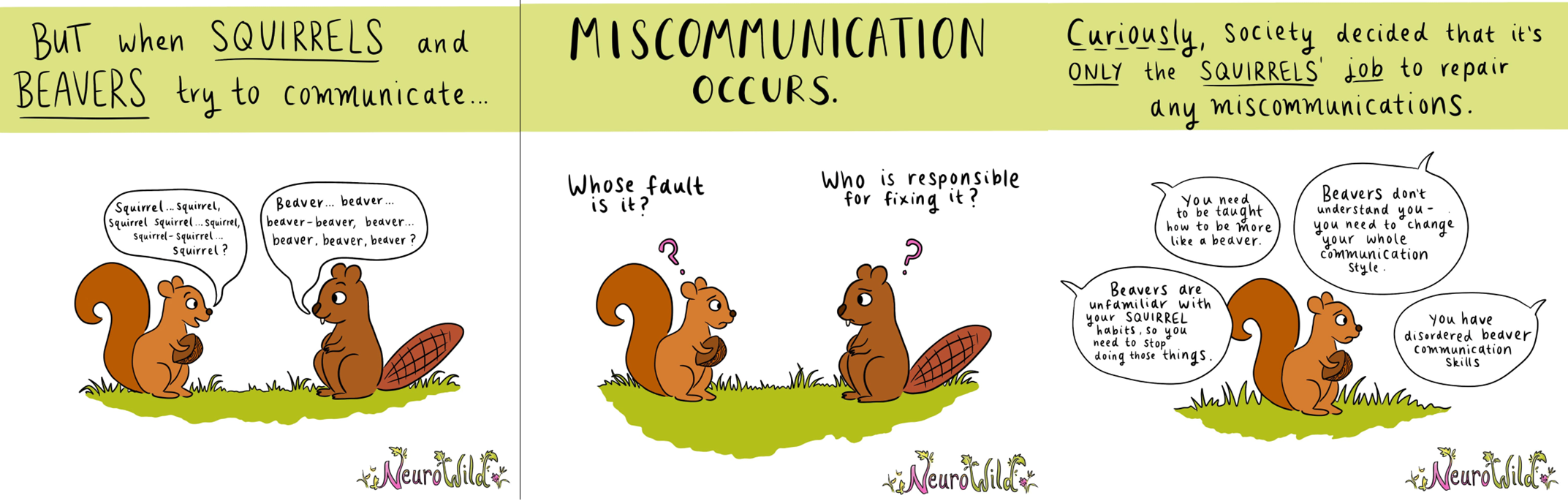
Neurodiversity-affirming resources we love at Small Sprouts Therapy
People
Neuro Wild
Jessie Ginsburg
Speech Dude
Meaningful Speech
Play Spark
Adina Levy
Resources
My Brain Is a Race Car – Nell Harris
The Brain Forest – Sandhya Menon
My Wandering Mind – Merriam Sarcacia Saunders
Some Brains – Nelly Thomas
Yellow Ladybugs
At Small Sprouts Therapy, we celebrate every child’s unique way of thinking, learning, and communicating. Our goal is to support children and families with practical, meaningful strategies that respect difference, build confidence, and help children thrive as their authentic selves. We believe every child is worthy of understanding, support, and the chance to shine in their own way.